

 Série Aquasense X

 Série Aquasense® 2


 Série Aquasense®

 Série Skimmer

 Acessórios


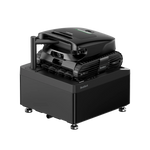
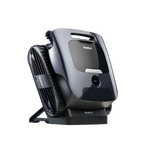
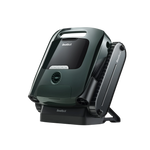
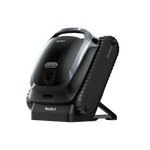
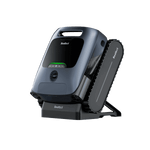
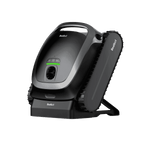


A robotic pool cleaner takes the hard work out of keeping your pool clean. Instead of vacuuming by hand, it moves through the pool on its own, picking up leaves, dirt, and fine debris from the floor, walls, and waterline. Beatbot robotic pool cleaners are designed for both in-ground and above-ground pools, with cordless operation, strong suction, and simple cleaning modes that make routine pool care easier and more reliable.
When cleaning is finished or the battery runs low, the robot automatically returns for easy pickup or docking. Charging is done outside the pool using a dedicated charging station, so there are no cords in the water. This hands-off process makes pool cleaning simple, predictable, and easy to manage with minimal effort.
What Makes a High-Performance Robotic Pool Cleaner
Not all robotic pool cleaners deliver the same results. Performance depends on how well the cleaner covers the entire pool, adapts to real pool layouts, and handles different types of debris. A high-performance robotic pool cleaner is designed to clean thoroughly and consistently, not just move around the pool.
Cleaning Coverage: Floor, Walls, and Waterline
Full coverage matters because debris does not settle in one place. Leaves and dirt collect on the pool floor, fine particles stick to walls, and oils and residue build up along the waterline. Cheaper robotic pool cleaners often focus only on the floor or lose traction on walls, leaving visible dirt behind. Without proper waterline cleaning, the pool can still look dirty even after a full cleaning cycle.
Navigation and Pool Adaptability
Many entry-level robots rely on random movement, which can lead to missed areas and uneven cleaning. Real pools are rarely simple rectangles. Changes in depth, steps, ledges, and corners require a cleaner that can adjust its path instead of repeating the same movements. Better navigation helps the robot reach more areas and reduces wasted cleaning time.
Filtration and Debris Handling
Pools collect both large debris, like leaves and bugs, and fine debris, such as sand and dust. A high-performance robotic pool cleaner needs a filtration system that can handle both without clogging. Consistent suction is more important than raw power, as steady water flow allows the robot to pick up debris evenly throughout the entire cleaning cycle.
How to Choose the Right Robotic Pool Cleaner
Choosing a robotic pool cleaner isn’t about finding the most powerful model on paper. It’s about matching the cleaner to how your pool is built, where debris usually collects, and how much time you want to spend on maintenance.
Pool Size and Cleaning Area
Pool size affects how long a robotic pool cleaner needs to run and how much surface it must cover in one cycle. Smaller pools can be cleaned efficiently with shorter runtimes, while larger in-ground pools require longer battery life and wider cleaning paths to finish the floor, walls, and waterline without stopping. For everyday pool sizes, AquaSense 2 delivers reliable coverage, while larger pools benefit from extended runtime models like AquaSense 2 Ultra or AquaSense X.
Pool Shape and Layout Complexity
Not all pools are simple rectangles. Curves, corners, and irregular layouts can cause basic robots to repeat the same path or miss sections altogether. A robotic pool cleaner that maintains stable movement and adjusts its path helps reduce wasted time and uneven results. Models such as AquaSense 2 Pro and AquaSense X are designed to handle more complex layouts without getting stuck or leaving areas untouched.
Steps, Ledges, and Raised Areas
Steps, benches, sun shelves, and ledges are common places where dirt and debris settle. These areas require controlled movement and reliable traction, especially when transitioning between depths. Robotic pool cleaners built to handle these features can clean more evenly across the entire pool, rather than focusing only on open floor areas.
Wall and Waterline Cleaning Needs
Walls and waterlines often show buildup first, especially in frequently used pools. A robotic pool cleaner that can climb walls consistently and scrub the waterline helps keep the pool looking clean between deep cleanings. This is especially important for pools with tile or smooth surfaces where residue becomes visible quickly.
Daily Debris vs Heavy Debris
Some pools collect light debris like dust and sand, while others deal with leaves, insects, and larger debris. A good robotic pool cleaner should handle both without losing suction or clogging mid-cycle. Consistent water flow and effective filtration matter more than peak power, especially during longer cleaning sessions.
How Much Maintenance You Want to Do
Maintenance expectations vary from one pool owner to another. Some don’t mind rinsing a filter basket, while others want the process to be as hands-off as possible. Cordless designs, easy pickup, and simple cleaning modes reduce effort. For the lowest maintenance experience, AquaSense X adds convenience with automatic docking and a self-cleaning station that rinses the robot’s filter after each cleaning cycle.
Cordless vs Corded Robotic Pool Cleaners: Effort & Cost
| User Concern | Cordless (Battery-Powered) | Corded (Plug-In) |
|---|---|---|
| Price | Usually higher upfront | Usually lower upfront |
| Setup Ease | Drop in and start | Plug in and arrange cable |
| Freedom of Movement | No cable, moves freely | Cable can restrict movement |
| Cleaning Duration | Limited by battery life | Unlimited while plugged in |
| Suction & Power | Moderate, for everyday debris | Stronger, for heavy debris |
| Convenience & Safety | No power cable in water | Power cable in water |
| Storage | Easy, no cable | Cable needs care |
Robotic pool cleaners differ not only in how they clean, but also in how they fit into daily pool maintenance. Cordless models focus on simplicity, with fewer setup steps and easier handling before and after each cleaning cycle. Corded robotic pool cleaners rely on continuous power, which allows longer runtimes but requires more attention to cable management and storage. When choosing between cordless and corded robotic pool cleaners, factors like budget, pool layout, and how much hands-on effort you’re willing to invest all play an important role.
Why Beatbot Robotic Pool Cleaners Are Different
Beatbot focuses on how pools are actually used day to day. The priority is reliable cleaning, less frustration, and equipment that holds up over time rather than short term performance claims.
Engineered for Real Pool Environments
Most pools are not simple rectangles. They have uneven floors, steps, ledges, shelves, and changing depths. Beatbot robotic pool cleaners are built to handle these conditions without losing traction or skipping areas. They are designed to pick up the debris pool owners really see, such as fine dust, sand, leaves, and insects, and continue working consistently as water conditions change through the season.
Smarter Navigation, More Reliable Cleaning
Rather than moving randomly, Beatbot cleaners use camera based perception to understand where they are in the pool. This helps the robot adjust its movement while cleaning, reduce repeated passes, and maintain steady coverage across the pool floor, walls, and waterline. The result is a more even clean with fewer missed spots.
Designed for Long Term Ownership
Beatbot robots are made for regular use over many seasons. Durable materials and solid construction help reduce wear, while thoughtful design choices simplify pickup, filter handling, and charging. Combined with a refined build quality, this approach supports dependable performance and a better ownership experience over time.